

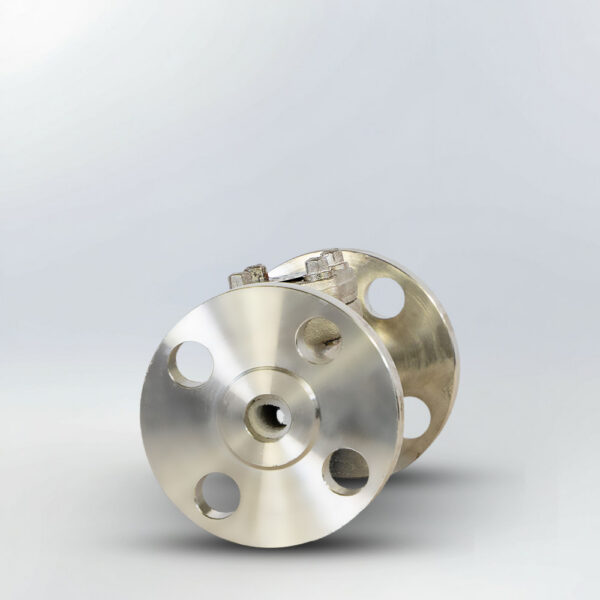
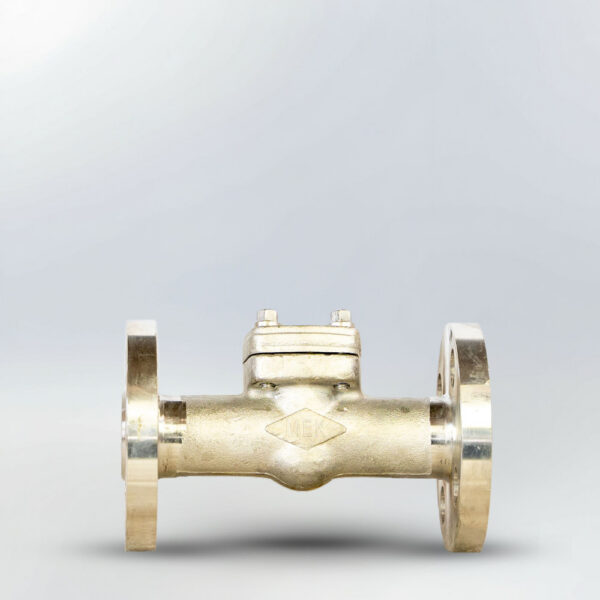

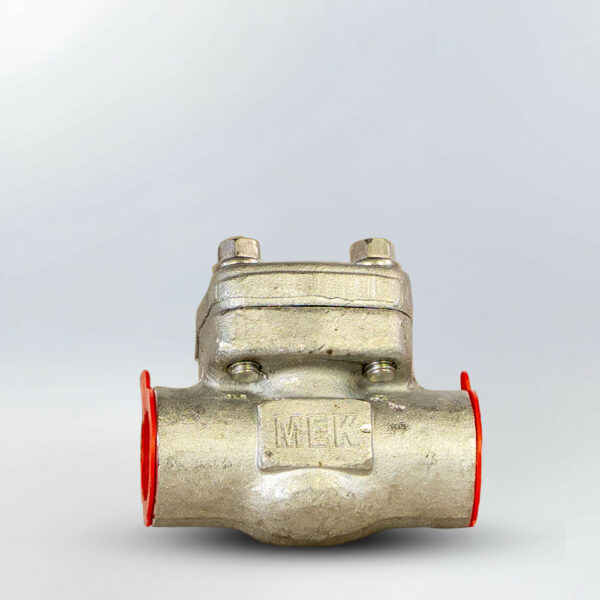
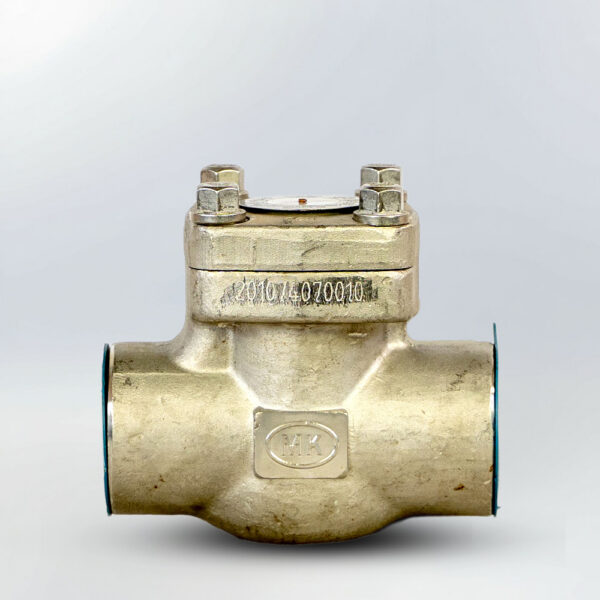




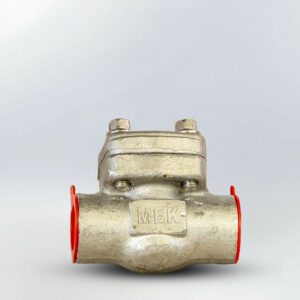
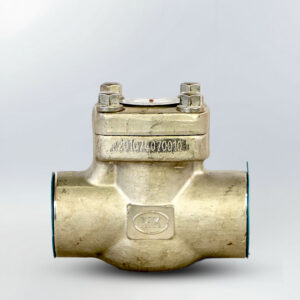
Check
Pressure Classes: ANSI 150-2500
Sizes: 1/2’’ to 52’’
- Side entry and top entry
- Two or three pieces body construcion
- Bolted Joints
- Flanged, Socket Weld, Butt Weld, NPT Thread
- Extremely wide selection of materials for both body and internals, including: carbon steel, low alloy steels, stainless steels, Duplex
- Overlays
- Coatings: Tungsten Carbide, Chromium Carbide and ENP
- Soft or Metal Seated
- Double Block & Bleed
- Overlay on Sealing Surfaces
- Cladding in Seat Pocket Areas
- Fully Internally Cladded
- Special constructions available for High and Low Temperature (Cryogenic)
- Cryogenic type-test, Fugitive emissions type-test and Fire Safe type-test certificates

- Description
- Datasheets
Description
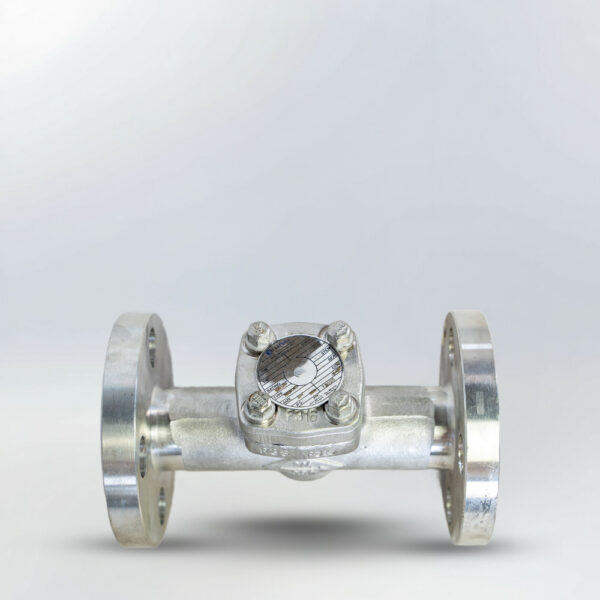
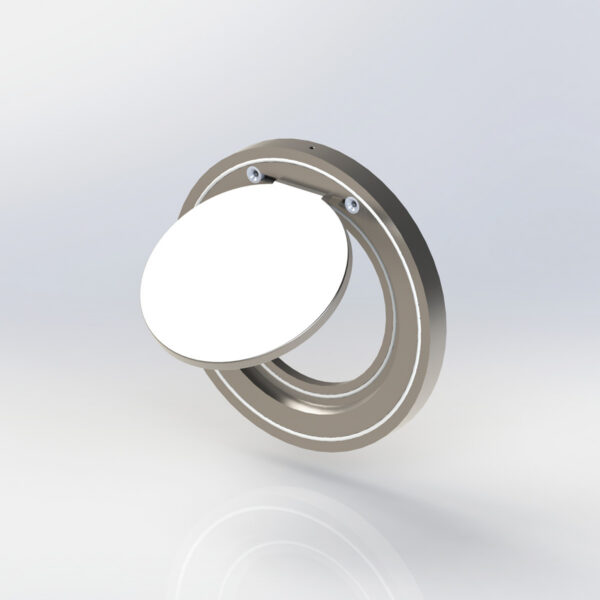
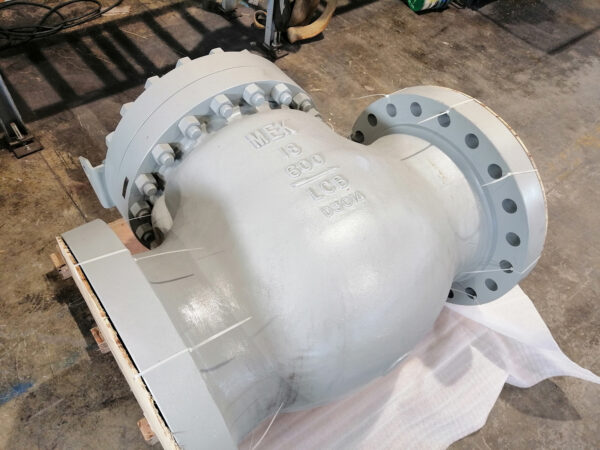
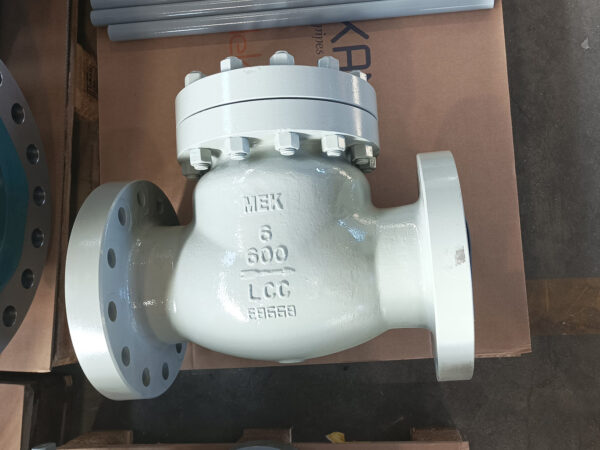
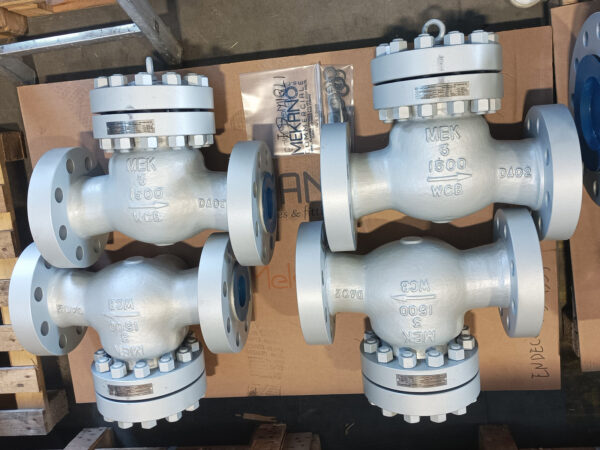
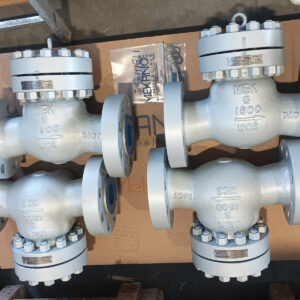
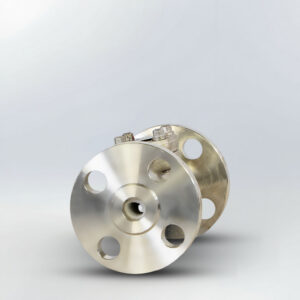
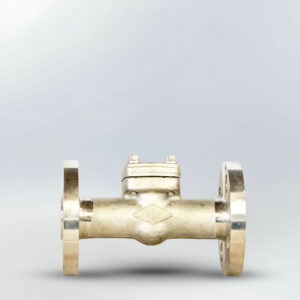
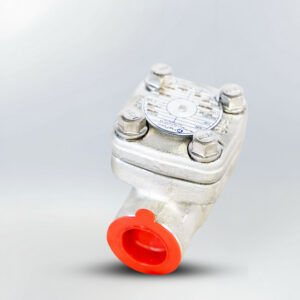
A check valve, also known as a non-return valve or one-way valve, is a two-port valve that allows fluid (liquid or gas) to flow in only one direction. It operates automatically, without manual control, and its opening and closing are determined by fluid pressure. The valve opens when the upstream pressure is sufficient to overcome the closing mechanism (such as a spring or gravity). If the flow stops or reverses, the valve automatically closes, preventing backflow. This is essential to protect equipment such as pumps and compressors from damage caused by reverse flow. Available in WCB-CF8 cast carbon steel.
Types of Check Valves
Check valves are classified according to their construction, which determines their application and the way in which they prevent backflow.
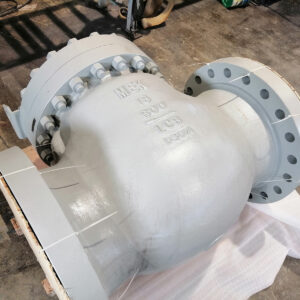
- Swing Check Valve: The most common type. It uses a hinged valve that opens with forward flow and returns to the seat when flow stops or reverses. It offers minimal pressure drop and is suitable for on/off applications.
- Lift Check Valve: This valve uses a disc or a piston that lifts off its seat with forward flow and reseats due to gravity or a spring when the flow stops. It is well-suited for high-pressure applications and where flow is less turbulent.
- Ball Check Valve: A simple design where a ball is pushed out of its seat by forward flow and rolls back to block the flow when it reverses. These are often used in small-scale applications like pumps.
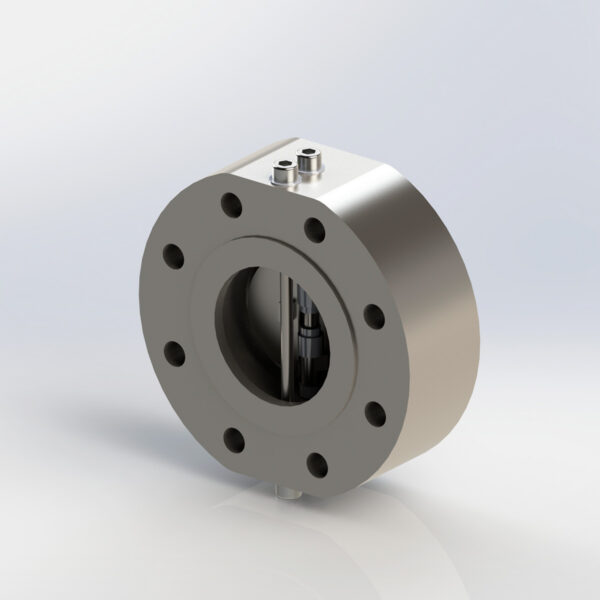
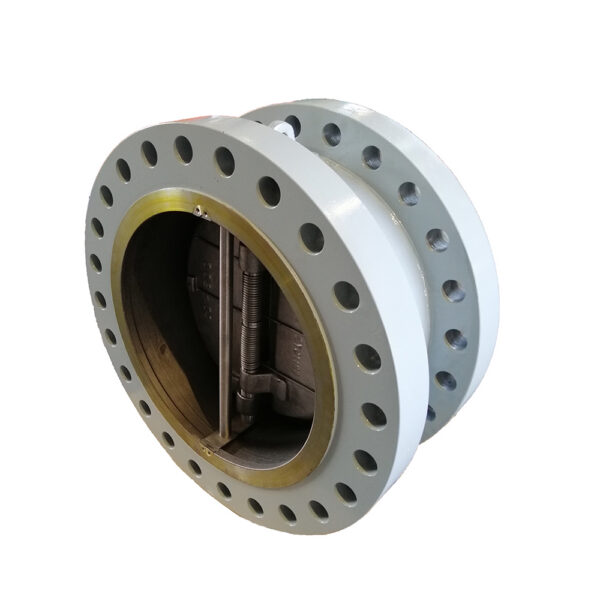
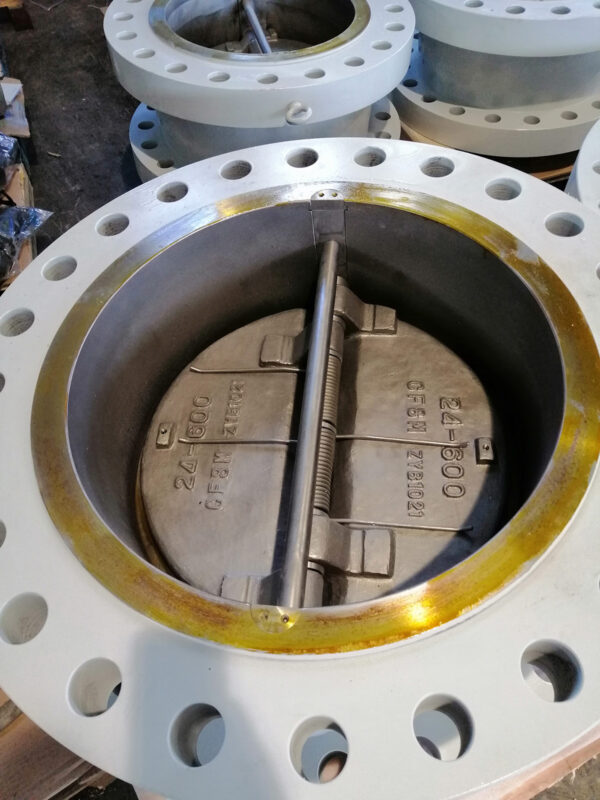
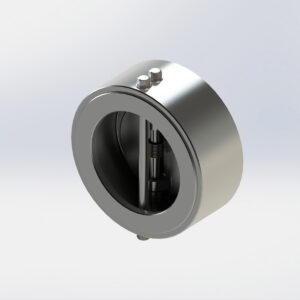
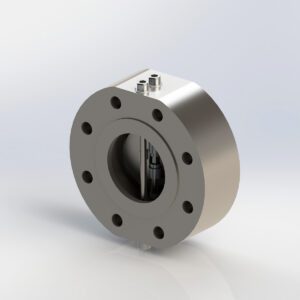
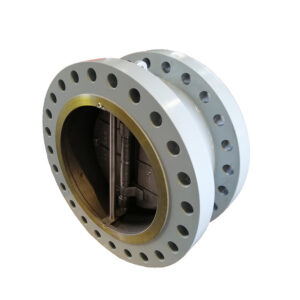
- Dual Plate (Wafer) Check Valve: A compact, lightweight valve with two spring-loaded plates that fold open with forward flow and quickly close to prevent backflow. It is ideal for applications where space is limited and is effective at preventing (water hammer).
Norme ASME e API
The design, manufacturing, and testing of check valves are governed by strict standards to ensure their reliability and safety.
- ASME B16.34: This standard provides the fundamental requirements for the design, materials, pressure-temperature ratings, and dimensions of valves, including check valves.
- API 594: This is a crucial standard specifically for check valves with wafer, lug, wafer with lugs, and butt-welding ends.15 It defines the design, materials, and testing requirements, particularly for valves used in the petroleum and natural gas industries.
- API 598: This crucial standard provides the general inspection and test procedures for all types of valves, including globe valves. It defines the acceptable leakage rates for both shell and seat tests to ensure the valve’s integrity.
- API 6D: This specification covers check valves used in pipeline systems, providing detailed requirements for design, manufacturing, and testing to ensure their suitability for these critical applications.

Click DOWNLOAD button and enter your email address. You will receive the link to download all the technical data sheets.
To choose which technical data sheet to download, CLICK HERE


