
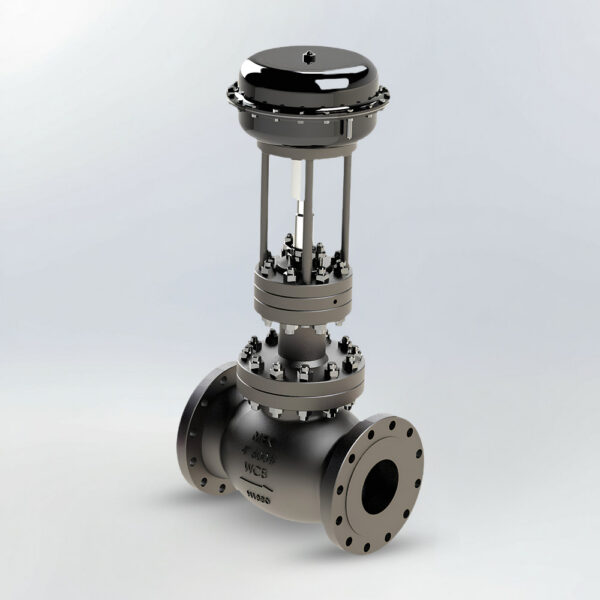
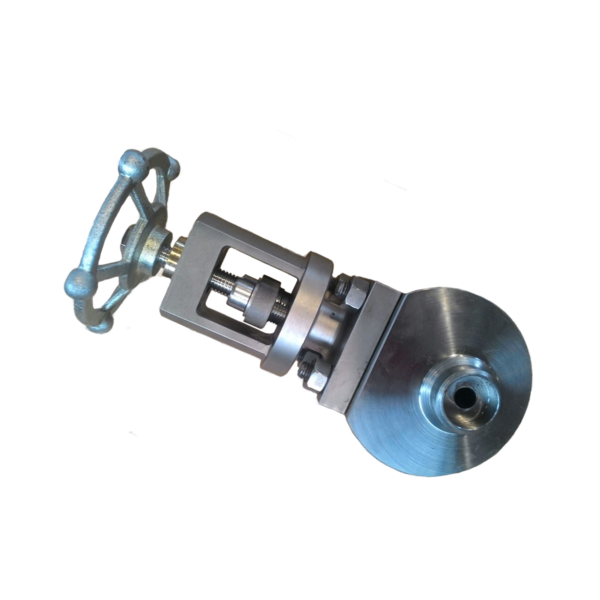
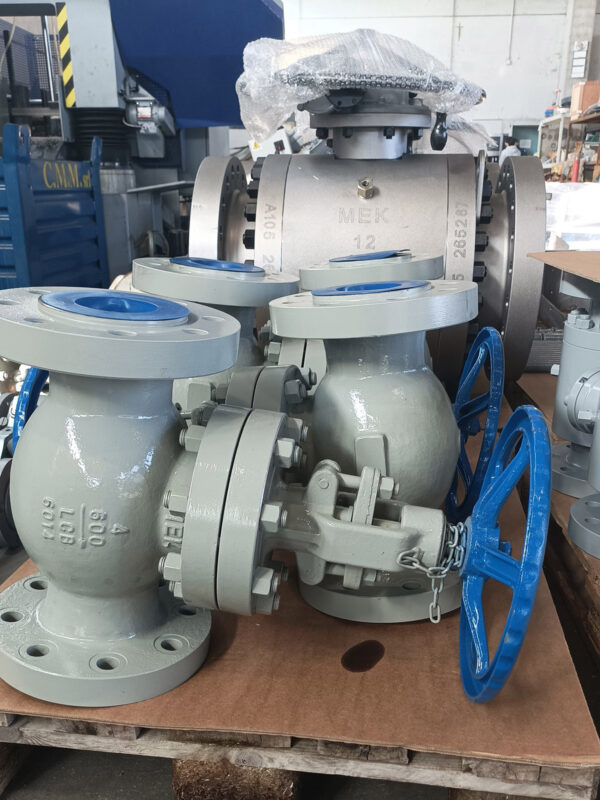
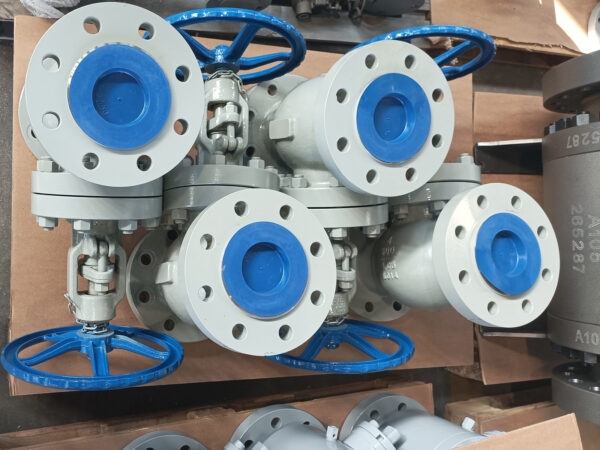
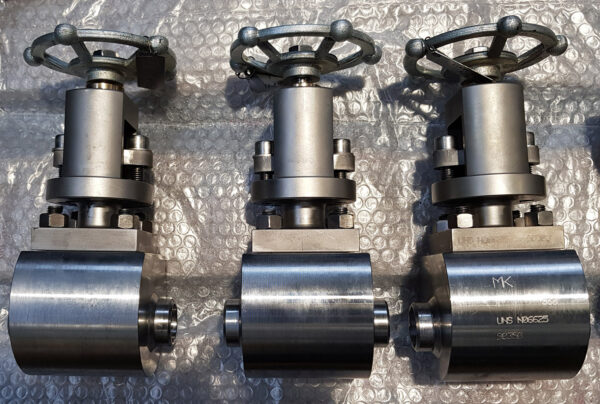
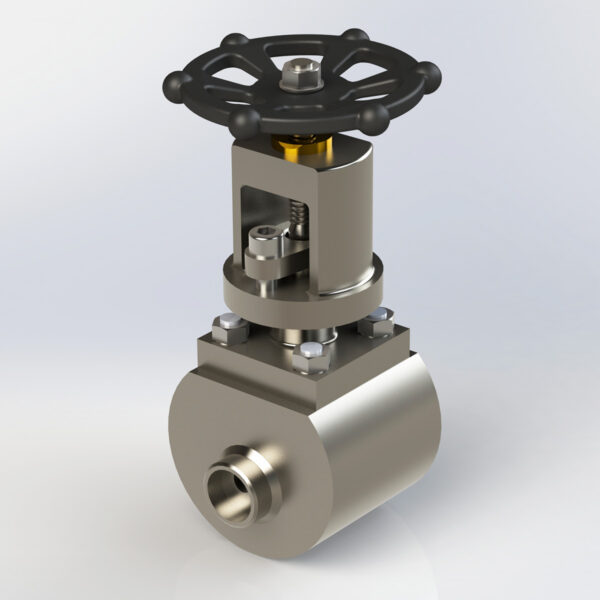


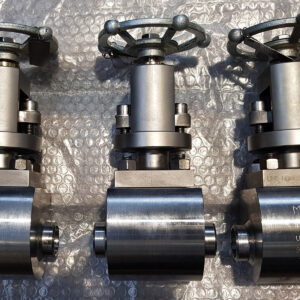

Globe
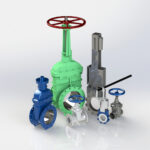
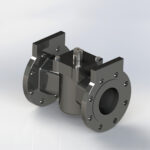
Pressure Classes: ANSI 150-2500
Sizes: 1/2’’ to 52’’
- Side entry and top entry
- Two or three pieces body construcion
- Bolted Joints
- Flanged, Socket Weld, Butt Weld, NPT Thread
- Extremely wide selection of materials for both body and internals, including: carbon steel, low alloy steels, stainless steels, Duplex
- Overlays
- Coatings: Tungsten Carbide, Chromium Carbide and ENP
- Soft or Metal Seated
- Double Block & Bleed
- Overlay on Sealing Surfaces
- Cladding in Seat Pocket Areas
- Fully Internally Cladded
- Special constructions available for High and Low Temperature (Cryogenic)
- Cryogenic type-test, Fugitive emissions type-test and Fire Safe type-test certificates

- Description
- Datasheets
Description
A globe valve is a linear motion valve used to start, stop, and, most importantly, regulate or throttle fluid flow in a pipeline. They are available in A105, A182/F316 and A182/F304L steel. Its name comes from its spherical body shape, which houses an internal baffle that separates the two halves of the valve body. A movable disc or plug-like element is connected to a stem and a stationary ring seat. The fluid flow path is tortuous, forcing the fluid to change direction as it passes through the valve. While this design causes a higher pressure drop, it is excellent for flow control and is a primary choice for applications requiring precise flow regulation.
Types of Globe Valves
Globe valves are classified based on their body design, which influences the fluid’s flow path and the valve’s performance characteristics.
- Tee (Z-Pattern) Globe Valve: The most common type, where the body resembles a ‘Z’ shape. The fluid flow is forced to make two 90-degree turns, resulting in the highest pressure drop but also providing excellent throttling capabilities.
- Wye (Y-Pattern) Globe Valve: The body and stem are angled at about 45 degrees, which straightens the flow path and reduces pressure drop and turbulence. This design is preferred for high-pressure, high-temperature, and corrosive services.
- Angle Globe Valve: The inlet and outlet are at a 90-degree angle. This design is often used in applications where a change in flow direction is needed, effectively serving as both a valve and a 90-degree elbow.
Norme ASME e API
The design, manufacturing, and testing of globe valves are governed by several key industry standards.
- ASME B16.34: This foundational standard establishes the design, pressure-temperature ratings, and material requirements for flanged, threaded, and welding-end valves, including globe valves.
- API 623: This standard is specifically for steel globe valves with flanged or butt-welding ends. It sets requirements for heavy-duty valves used in petroleum refinery and related applications, specifying design features, materials, and testing.
- API 602: This standard covers smaller, compact forged steel valves, including globe valves, up to NPS 4 (DN 100).
- API 598: This crucial standard provides the general inspection and test procedures for all types of valves, including globe valves. It defines the acceptable leakage rates for both shell and seat tests to ensure the valve’s integrity.

Click the DOWNLOAD button and enter your email address. You will receive the link to download all the technical data sheets.
To choose which technical data sheet to download, CLICK HERE


