


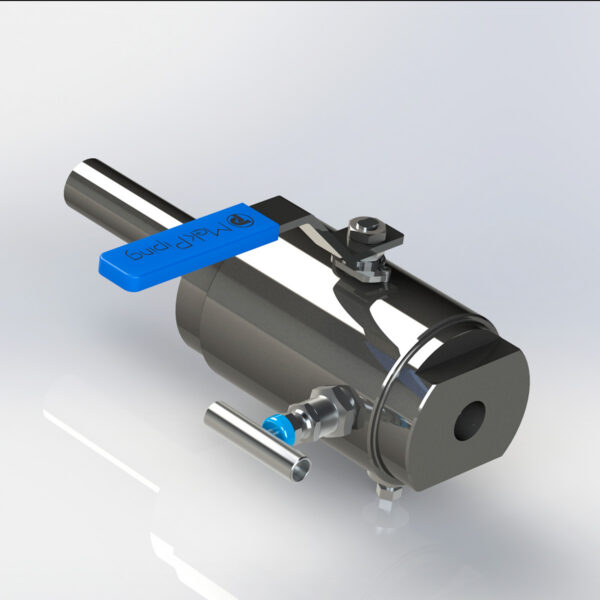

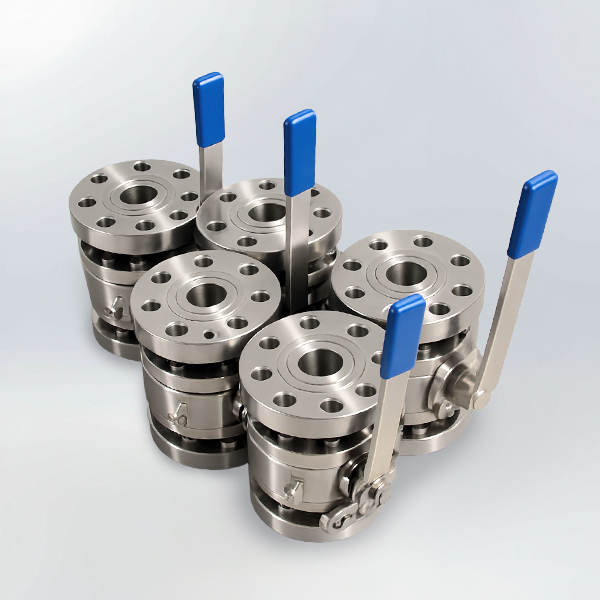
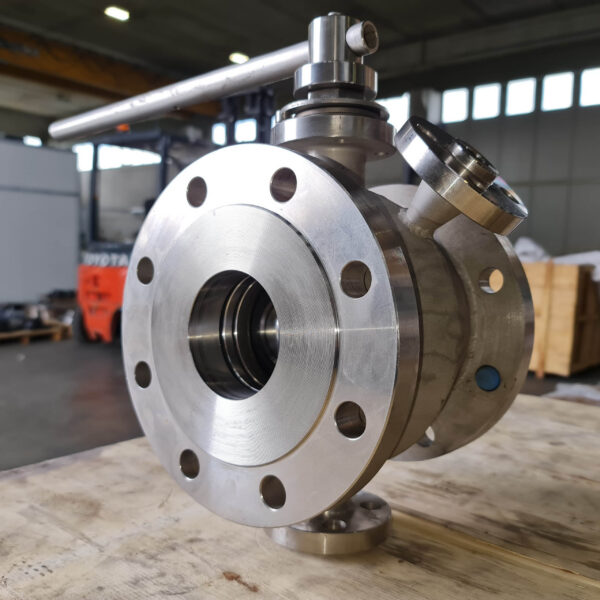

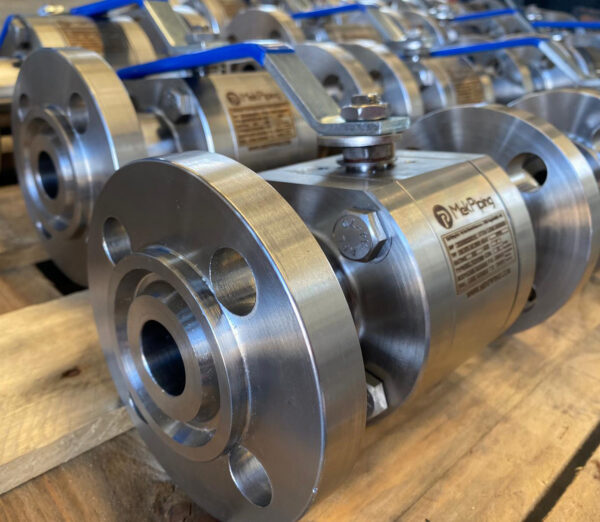

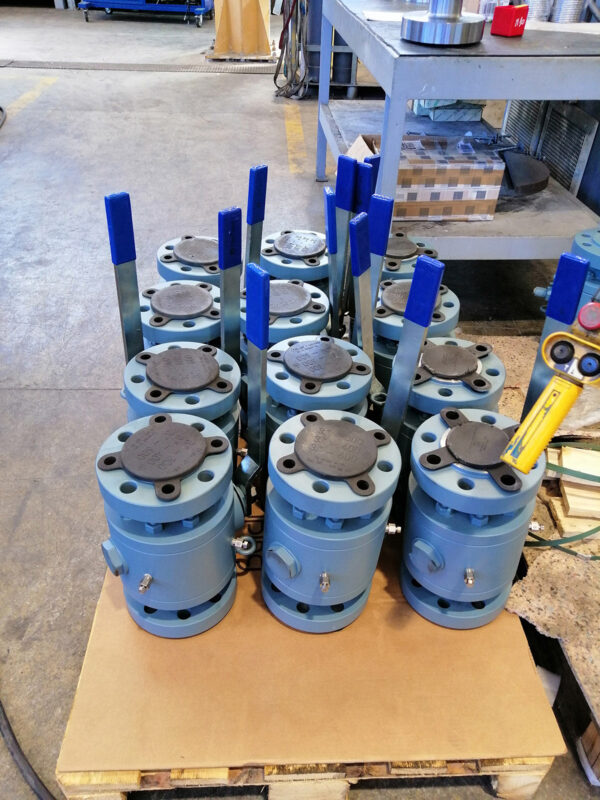
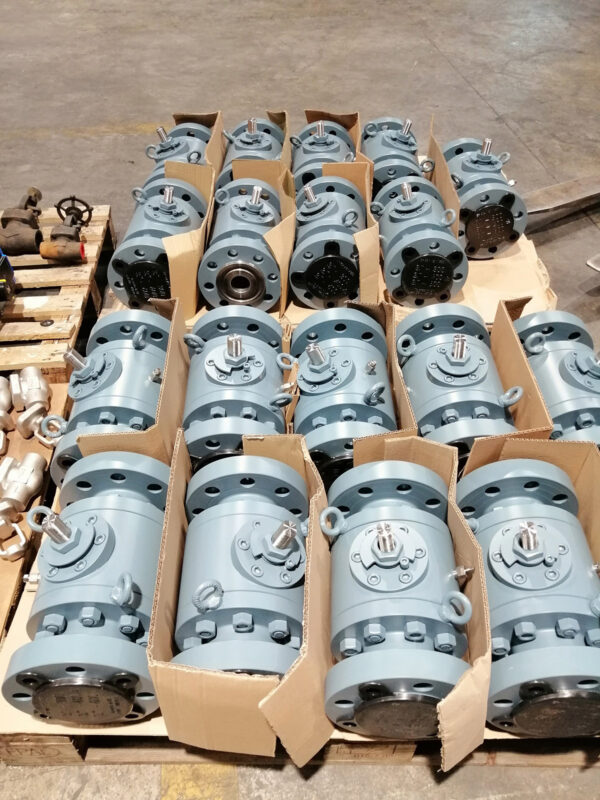
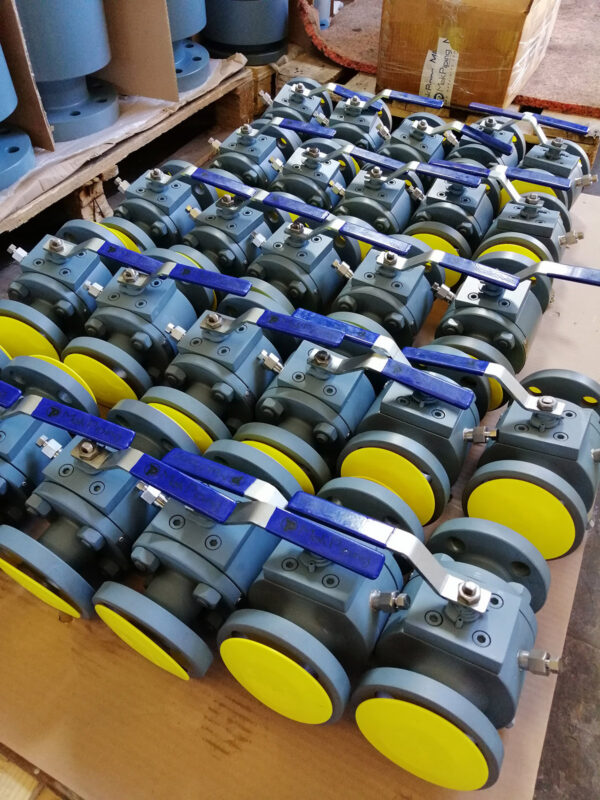


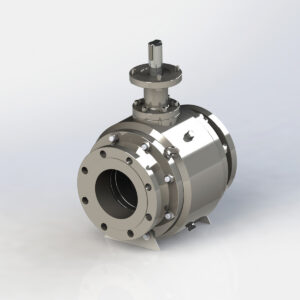
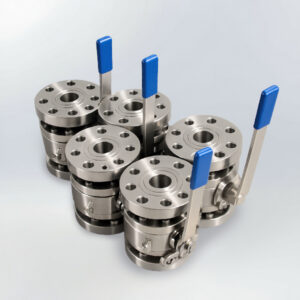

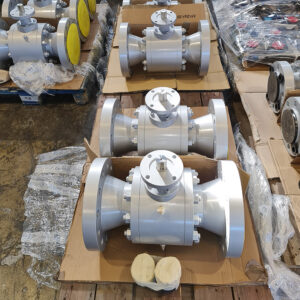
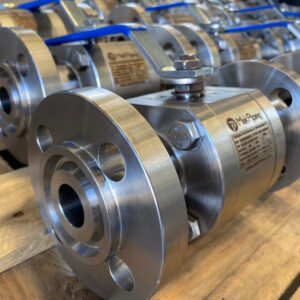



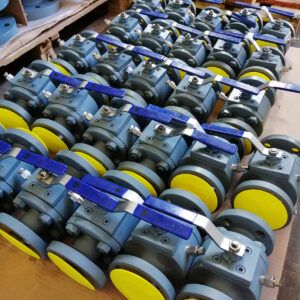
Ball Floating
Pressure Classes: ANSI 150-2500
Sizes: 1/2’’ to 52’’
- Side entry and top entry
- Two or three pieces body construcion
- Bolted Joints
- Flanged, Socket Weld, Butt Weld, NPT Thread
- Extremely wide selection of materials for both body and internals, including: carbon steel, low alloy steels, stainless steels, Duplex
- Overlays
- Coatings: Tungsten Carbide, Chromium Carbide and ENP
- Soft or Metal Seated
- Double Block & Bleed
- Overlay on Sealing Surfaces
- Cladding in Seat Pocket Areas
- Fully Internally Cladded
- Special constructions available for High and Low Temperature (Cryogenic)
- Cryogenic type-test, Fugitive emissions type-test and Fire Safe type-test certificates

- Description
- Datasheets
Description
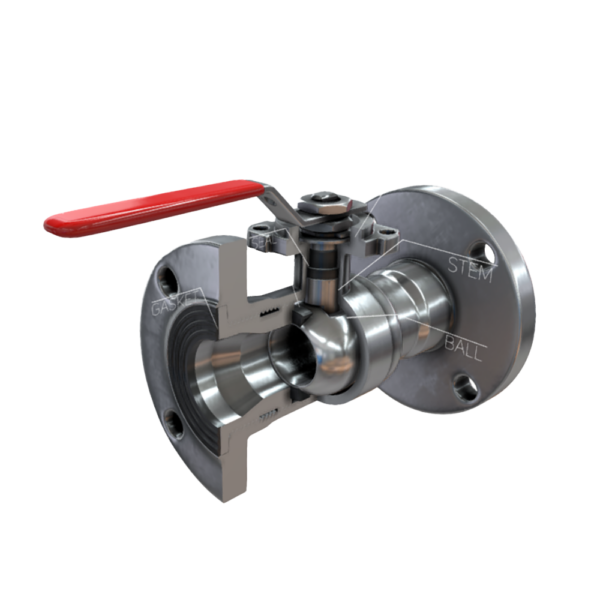
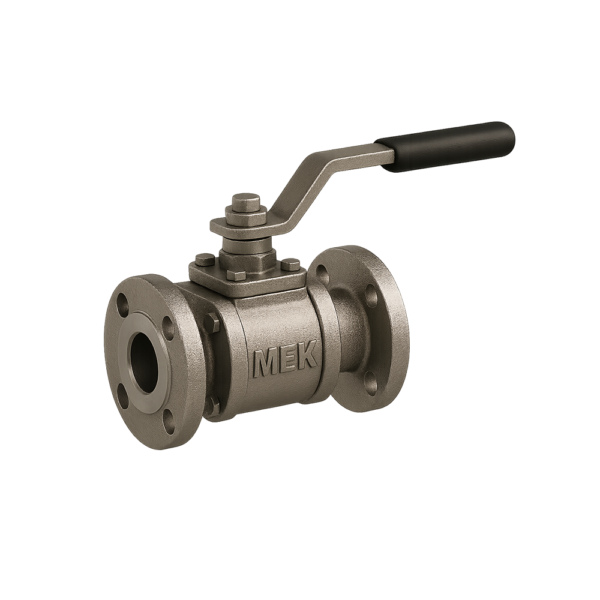
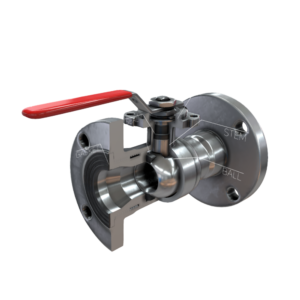
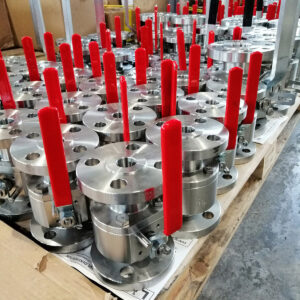
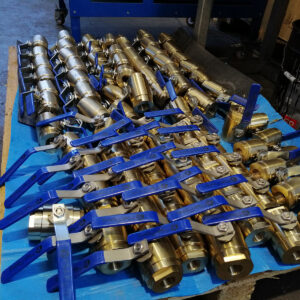
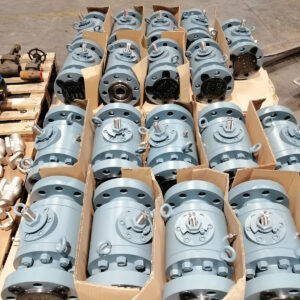
A Mek Piping floating ball valve is a quarter-turn valve in which a spherical ball, with a perforated passage inside, serves as the shutoff element. Available in A105, A182/F316 steel, it is designed for industrial applications according to ASME B16.34, API 608, and API 598 standards, ensuring reliable performance and easy maintenance. The term “floating” refers to the way the ball is suspended between two valve seats without any additional mechanical support (unlike a trunnion-mounted valve). When the valve is closed, upstream fluid pressure pushes the ball against the downstream seat, creating a tight seal. This simple and economical design makes it a popular choice for on/off control in low- and medium-pressure applications.
Types of Ball Valves
Floating ball valves are mainly classified according to their body structure and port design, and are regulated by industry standards to ensure safety and reliability.
- Body Structure:
- Monoblock: A compact, single-body design. Inexpensive but not repairable.
- Biblock: made up of two joined sections, it offers easier access for maintenance.
- Triblock: The body is composed of three separate parts, allowing the valve to be serviced or repaired in-line without having to remove it from the pipeline.
- Door Design:
- Full port: The hole diameter is the same as the pipe, minimizing pressure drop and allowing pigging.
- Reduced port: the hole is smaller than that of the pipe, which represents a more economical solution with a slight pressure drop.
Norme ASME e API
- ASME B16.34: This standard specifies pressure and temperature ratings and material requirements for valves, including floating ball valves, ensuring that their design and construction are suitable for specific service conditions.
- API 608: This is a fundamental specification for flanged, threaded, and welded-end floating ball valves, covering design, materials, testing, and other criteria for general industrial use.
- API 598: This standard outlines inspection and testing procedures for valves, including floating ball valves, to verify the sealing performance of the body and seat prior to placing them into service.

Click the DOWNLOAD button and enter your email address. You will receive the link to download all the technical data sheets.
To choose which technical data sheet to download, CLICK HERE


