
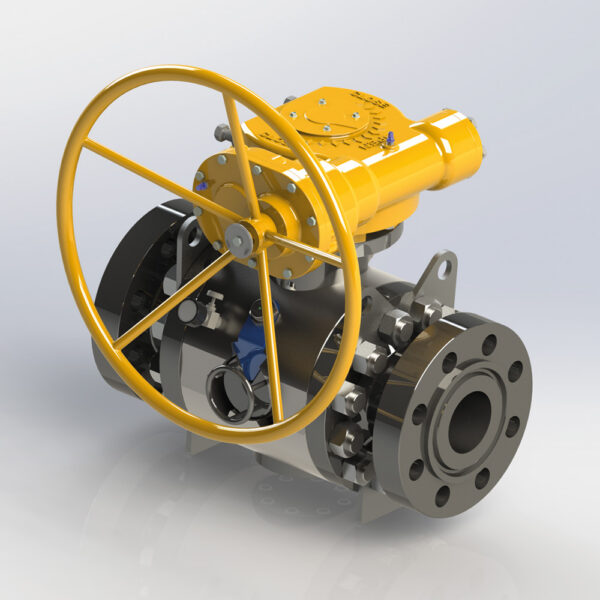
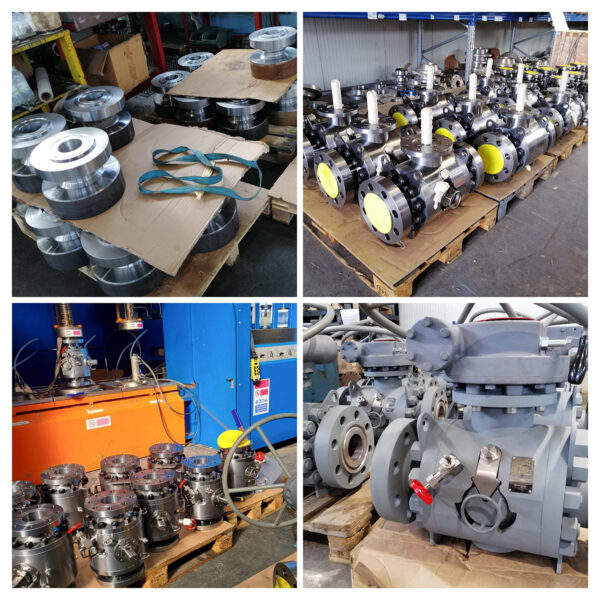


Pig


Pressure Classes: ANSI 150-2500
Sizes: 1/2’’ to 52’’
- Side entry and top entry
- Two or three pieces body construcion
- Bolted Joints
- Flanged, Socket Weld, Butt Weld, NPT Thread
- Extremely wide selection of materials for both body and internals, including: carbon steel, low alloy steels, stainless steels, Duplex
- Overlays
- Coatings: Tungsten Carbide, Chromium Carbide and ENP
- Soft or Metal Seated
- Double Block & Bleed
- Overlay on Sealing Surfaces
- Cladding in Seat Pocket Areas
- Fully Internally Cladded
- Special constructions available for High and Low Temperature (Cryogenic)
- Cryogenic type-test, Fugitive emissions type-test and Fire Safe type-test certificates

- Description
Description
A pigging trunnion ball valve is a specialized valve designed for pipeline cleaning and maintenance. It’s an all-in-one solution that integrates a trunnion-mounted ball valve with a side chamber for launching or receiving “pigs” (pipeline inspection gauges). This design allows for the insertion or retrieval of pigs directly into or from the pipeline without the need for a separate, bulky pig launcher/receiver skid. The trunnion-mounted design supports the ball, reducing operating torque, which is critical for the large, high-pressure valves used in these applications. This compact and efficient design saves space and reduces costs compared to traditional pigging systems.
Tipi and Standards
While there aren’t distinct “types” of pigging trunnion ball valves beyond their body construction (welded, bolted, etc.), they can be classified by their function in the pigging process.
- Launcher Valve: This type is installed at the beginning of a pipeline section. The side chamber is used to load the pig, and then the valve is opened to allow pipeline pressure to push the pig into the line.
- Receiver Valve: This valve is at the end of a pipeline section. It is designed to safely capture and contain the pig as it exits the pipeline.
ASME and API Standards
The design, manufacturing, and testing of these valves are governed by key industry standards that ensure their safety and reliability in critical pipeline applications.
- ASME B16.34: This foundational standard provides the general requirements for valve design, materials, and pressure-temperature ratings. It ensures the valve’s structural
integrity and ability to safely contain pressure. - API 6D: This is the primary standard for pipeline valves, including pigging ball valves. It specifies requirements for design, manufacturing, testing, and documentation to ensure valves can withstand the demanding conditions of petroleum and natural gas pipeline systems.
- API 598: This standard outlines the specific inspection and testing procedures for valves, including hydrostatic and pneumatic tests to check for leaks. It verifies the valve’s shell and seat integrity.
- API 6DX: This standard specifically addresses the design and testing of pipeline actuators, which are often used on these large, high-torque valves.


