Saipem Statoil
Eni North Sea Project – 2015
Subsea Valves: Reliability and Performance in Extreme Environments
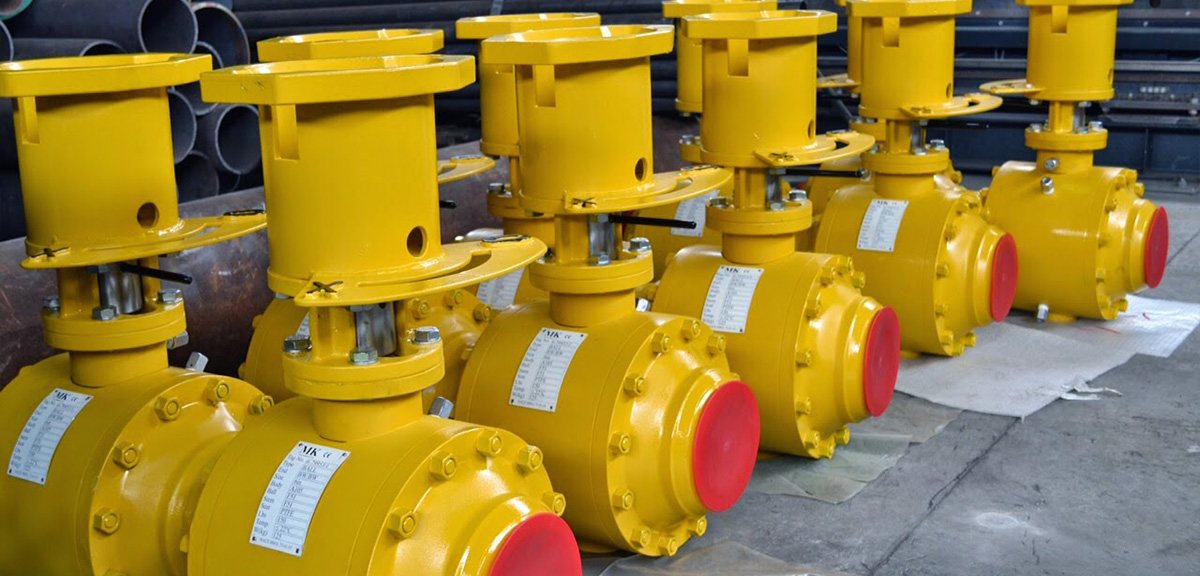
Subsea valves are critical components for controlling and isolating flow within pipelines and systems installed on the seabed. Primarily used in the Oil & Gas sector, these solutions are engineered to ensure safety, operational continuity, and durability even under the most extreme environmental conditions.
In this context, experience in the design and supply of piping systems for complex applications provides the expertise needed to effectively address the challenges typical of offshore environments.
Applications and Areas of Use
Subsea valves are used across a wide range of applications, particularly in the transportation of oil and gas through offshore pipelines. In these scenarios, precise flow control is essential to manage materials moving to, from, and along the seabed.
Installations can operate at highly variable depths:
- shallow waters: up to approximately 75 meters
- deep waters: exceeding 3,500 meters
This wide range of operating conditions requires the highest design standards and highly specialized technological solutions, where engineering expertise and careful component selection play a decisive role.
Environmental Challenges: Pressure, Corrosion, and Sealing
The subsea environment presents highly aggressive conditions that directly impact valve performance and lifespan. Key external factors include:
- High ambient pressure, increasing with depth
- Seawater corrosion, requiring specialized materials and treatments
- Full sealing integrity, essential to prevent ingress and failures
- Presence of external agents, such as sediments and suspended particles
For this reason, subsea valves undergo rigorous qualification testing to ensure high levels of reliability and long-term safety. Attention to quality and compliance with international standards is essential for successful operation in such demanding environments.
Internal Challenges: Flow Management
In addition to external conditions, the characteristics of the transported fluid also represent a significant design challenge.
In subsea systems, flows may be:
- liquid
- gaseous
- or multiphase, often containing sand, debris, or abrasive particles
These elements can lead to:
- internal component wear
- reduced efficiency
- the need for high-resistance materials and dedicated design solutions
The ability to manage complex fluids through proper material selection and optimized configurations is a key factor that requires solid technical know-how and field experience.
Technology and Reliability for Offshore Operations
Subsea valves are designed to operate in environments where maintenance is difficult and costly. For this reason, every component must ensure:
- maximum operational reliability
- minimal maintenance requirements
- long service life
In this scenario, the ability to support clients in selecting the most suitable solutions, while ensuring high-quality standards across the entire supply chain, represents a tangible added value.
Conclusion
In the offshore industry, subsea valves are not مجرد components, but strategic elements for the safety and efficiency of installations. Their design requires advanced expertise and a deep understanding of operating conditions.
Relying on partners with proven experience in piping systems and complex industrial applications means benefiting from reliable, high-performance solutions aligned with the evolving demands of the global market.